

Warranty claims are one of the most common problems agricultural bearing distributors face every season. And in many cases, the actual cost has very little to do with the bearing itself.
A failed bearing during spring tillage can stop equipment in the field for hours. Sometimes longer. Dealers suddenly need emergency replacement inventory, OEM customers start asking questions, and planting schedules become delayed during the busiest period of the year.
This is usually where low-cost sourcing decisions start becoming expensive.
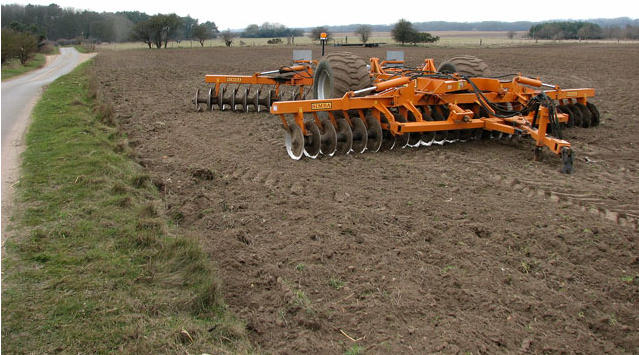
Most experienced distributors already understand that agricultural applications are much harsher than normal industrial operating environments. Bearings used in tillage equipment are continuously exposed to mud, moisture, abrasive soil particles, heavy vibration, and repetitive shock loading.
Especially during long spring planting cycles.
Under these conditions, even relatively small manufacturing inconsistencies may significantly affect service life.
This is why many OEM buyers prefer application-specific Agricultural Bearings and heavy-duty Disc Harrow Bearings designed specifically for contaminated agricultural operation.
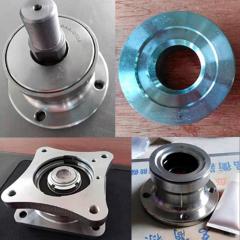
The W208PPB23 Agricultural Disc Harrow Bearing is one example commonly used in demanding tillage environments where sealing stability and long-term durability become critical.
And in practice, this is usually where warranty problems begin.
Why Warranty Problems Often Appear During Peak Agricultural Season
Agricultural bearing failures rarely happen immediately after installation.
More often, the problem develops gradually under real field conditions.
A bearing may initially operate normally for weeks before early sealing instability starts affecting lubrication performance. During wet spring tillage, abrasive soil contamination slowly enters the housing, grease condition begins deteriorating, rolling friction increases, and operating temperature rises.
Sometimes the first warning sign is minor grease leakage.
Sometimes it is abnormal vibration.
In many cases, customers only notice the problem after noise levels become obvious during operation.
One North American distributor reported that a batch of low-cost imported disc harrow bearings began showing grease leakage and seal cracking after fewer than 300 operating hours during wet spring planting conditions. The failures became more noticeable in clay-heavy soil environments where mud and abrasive particles remained attached to the sealing area throughout long operating cycles.
After changing to W208PPB23 bearings using multi-lip sealing systems and more stable heat-treatment control, replacement frequency reportedly dropped significantly during the following season.
Not every failure looks catastrophic at first. But once contamination reaches the rolling surface area, wear progression usually accelerates quickly.
And during peak farming periods, even short equipment downtime can create serious operational pressure.
The Real Problem Is Often Production Consistency
Many agricultural bearings look similar in catalogs.
On paper, specifications may appear nearly identical.
But experienced OEM buyers usually focus less on catalog claims and more on manufacturing consistency between production batches.
Because in agricultural applications, the biggest problem is often not one failed bearing.
It is inconsistent field performance across large-volume shipments.
This becomes much easier to expose in environments involving:
- wet clay soil
- rocky tillage conditions
- long-duration planting cycles
- high-moisture field operation
- continuous vibration exposure
Some importers only discover these inconsistencies after equipment deployment begins in the field.
And by then, replacement costs become much higher.
In many agricultural applications, stable batch consistency matters more than aggressive pricing.
Seal Failure Still Causes a Large Percentage of Warranty Claims
Most distributors already understand that seal quality matters.
What is often underestimated is how quickly sealing instability can affect lubrication performance once contamination enters the housing.
Disc harrow bearings regularly operate around fine dust, mud, standing water, crop residue, and abrasive soil particles. Under continuous vibration and shock loading, low-quality sealing systems may begin losing compression stability much earlier than expected.
Especially during wet spring operation.
Once contamination reaches the grease cavity, the failure process usually becomes difficult to stop.

Typical progression often looks like this:
Seal wear
→ contamination ingress
→ grease degradation
→ increased friction
→ operating temperature rise
→ raceway fatigue
→ premature bearing failure
In practice, the initial failure point is often not the raceway itself. The larger problem is lubrication instability after sealing performance begins declining.
This is why some manufacturers now perform additional:
- seal compression testing
- grease leakage simulation
- contamination resistance evaluation
- rotational vibration analysis
before approving production batches.
Some OEM buyers also request seal material verification reports before approving new suppliers. Especially for bearings intended for high-moisture agricultural environments.
Related articles:
How Seal Failure Leads to Early Bearing Damage in Agricultural Equipment
How to Match Disc Harrow Bearings with Shaft and Housing Dimensions
Heat Treatment Problems Are Sometimes Difficult to Detect Early
Low-quality agricultural bearings do not always fail because hardness values are too low.
The bigger issue is often unstable heat-treatment consistency between batches.
This is something many distributors underestimate during supplier evaluation.
Small variation in quenching control or cooling stability may create noticeable differences in fatigue durability under heavy tillage operation. Some bearings may continue operating normally, while others from the same shipment begin showing early surface fatigue much sooner.
Particularly under repetitive shock loading.
Disc harrow assemblies regularly encounter uneven terrain, compacted soil, buried rocks, and fluctuating impact loads during operation. Under these conditions, unstable metallographic structure may significantly shorten bearing lifespan.
Reliable manufacturers often inspect:
- hardness distribution
- raceway roughness
- metallographic consistency
- post-heat-treatment stability
- batch traceability records
Some suppliers also perform additional surface fatigue evaluation for bearings intended for heavy agricultural applications.
In practice, stable process control is usually more important than simply achieving higher hardness numbers.
Dimensional Problems Usually Become Expensive After Installation
Dimensional inconsistency is another common cause of warranty claims.
And in many cases, the issue is not discovered until installation begins.
Even relatively small tolerance variation may create shaft looseness, housing misalignment, abnormal vibration, or uneven load distribution during operation. Under high-vibration tillage conditions, these problems often become worse over time.
Especially during long-duration field cycles.
Experienced distributors typically request dimensional inspection documentation covering:
- bore diameter tolerance
- radial clearance stability
- runout control
- bearing width accuracy
- outer diameter consistency
before approving large-volume shipments.
Because once installation begins across multiple machines, correcting fitment problems becomes far more expensive.
Related article:
How Bore Design Impacts Bearing Performance in Farm Machinery
Lubrication Stability Is Frequently Overlooked
Lubrication problems are often underestimated in agricultural applications.
Particularly during high-temperature summer operation or continuous spring tillage cycles.
Under contamination-heavy environments involving mud, moisture, and vibration, low-grade grease may oxidize or degrade much faster than expected. Once lubrication stability declines, friction and operating temperature increase rapidly.
And this usually accelerates seal wear even further.
Many distributors already understand that grease selection matters. The more difficult part is evaluating how stable lubrication performance remains after extended contamination exposure.
This is one reason why relubricable bearing designs are commonly preferred in severe agricultural operating conditions.
Related article:
Common Mistakes in Maintaining Relubricable Agricultural Bearings
Common Purchasing Mistakes That Increase Warranty Risk
One of the most common sourcing mistakes is evaluating agricultural bearings primarily by initial unit cost.
This often creates larger problems later.
Particularly during seasonal deployment.
- focusing only on price
- overlooking batch consistency
- ignoring seal structure differences
- skipping inspection verification
- using industrial bearings in agricultural applications
- not requesting traceability documentation
Some low-cost suppliers focus heavily on catalog specifications while paying less attention to long-term production stability.
And seasonal demand spikes often expose these inconsistencies very quickly.
This is why experienced OEM buyers usually evaluate not only technical specifications, but also supplier process control, production traceability, and agricultural application experience.
Why W208PPB23 Bearings Are Commonly Used in Disc Harrow Applications
The W208PPB23 Agricultural Disc Harrow Bearing is designed specifically for harsh tillage environments involving contamination, vibration, and shock loading.
Compared with standard industrial bearings, it is generally better optimized for:
- contamination resistance
- grease retention stability
- heavy radial loading
- continuous vibration conditions
- long-duration tillage operation
- shock-load durability
Its multi-lip sealing structure and stable load-carrying capability make it suitable for demanding agricultural field conditions where contamination protection becomes critical.
In many agricultural applications, relubricable sealing systems also provide additional operational stability during extended field cycles.
Related articles:
When Should You Choose Relubricable Disc Harrow Bearings?
One-Piece Seal vs Multi-Component Seal in Agricultural Bearings
Supplier Evaluation Checklist for Distributors
Before approving a new agricultural bearing supplier, experienced distributors often evaluate:
- heat-treatment batch stability
- seal material consistency
- raceway finishing capability
- production traceability systems
- dimensional inspection procedures
- grease retention performance
- OEM customization support
- export packaging consistency
- agricultural application experience
Because once seasonal warranty problems begin appearing in the field, replacement costs increase very quickly.
Reliable manufacturers typically implement additional:
- incoming material inspection
- batch traceability management
- seal compression verification
- pre-shipment dimensional inspection
- lubrication stability testing
Read more:
Agricultural Bearing Quality Inspection Checklist for Distributors
Proper Installation Practices for Disc Harrow Bearings
Procurement Decision Guidance
If your distribution business is already experiencing:
- seasonal bearing return increases
- premature seal failures
- unstable batch lifespan
- inconsistent field performance
- rising warranty replacement costs
then supplier manufacturing consistency should become a major evaluation factor before the next purchasing cycle.
SKET provides:
- OEM agricultural bearing production
- W208PPB23 customization support
- batch inspection documentation
- export packaging solutions
- agricultural application engineering assistance
Conclusion
Reducing warranty claims in agricultural bearing distribution requires much more than lowering purchasing cost.
In real agricultural operation, long-term reliability depends heavily on sealing stability, heat-treatment consistency, dimensional accuracy, lubrication retention, and manufacturing process control.
Low-quality bearings may initially appear competitive in pricing, but field failures often create significantly higher expenses later through downtime, emergency replacement, delayed operation schedules, and customer dissatisfaction.
For demanding tillage applications, high-quality W208PPB23 Agricultural Disc Harrow Bearings provide more stable contamination resistance, improved load-carrying capability, and better long-term operational reliability under severe agricultural conditions.
And in many cases, consistency is what ultimately reduces warranty cost.