

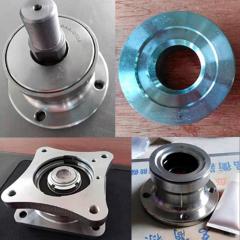
Disc harrows operate in one of the harshest environments for agricultural machinery. During field operations, disc harrow bearings are constantly exposed to dust, soil particles, moisture, vibration, and heavy shock loads. Under these conditions, lubrication plays a critical role in determining how long a bearing can operate reliably.
One of the most important — yet often overlooked — maintenance factors is greasing frequency. Proper lubrication intervals can significantly extend bearing life, while incorrect greasing practices may accelerate wear, increase operating temperature, and lead to premature bearing failure.
Through optimized internal geometry design and the use of high-quality base oil grease, some modern agricultural disc harrow bearings are engineered to maintain stable lubrication performance even when lubrication intervals are extended. In controlled field simulations, optimized bearing designs can withstand up to 30% higher shock loads compared with standard agricultural bearings under similar working conditions.
For equipment manufacturers, farmers, and procurement managers sourcing disc harrow bearings, understanding how lubrication affects bearing performance is essential for reducing downtime and controlling maintenance costs.
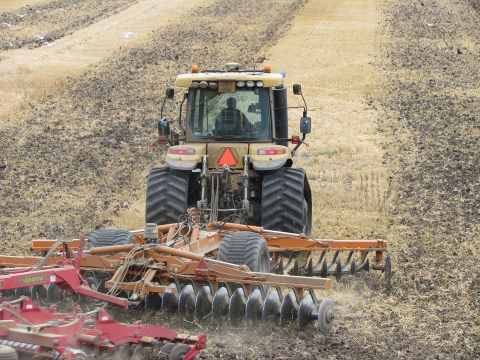
The Engineering Role of Lubrication in Disc Harrow Bearings
Grease inside a bearing does much more than simply reduce friction. In heavy-duty agricultural applications, lubrication provides multiple protective functions that directly influence bearing service life.
1. Formation of a Protective Lubrication Film
Inside a disc harrow bearing, grease forms a thin lubrication film between the rolling elements and raceways. This film prevents direct metal-to-metal contact between the inner ring, outer ring, and rolling elements.
- Reduce friction and wear
- Lower operating temperature
- Improve load distribution
- Extend overall bearing service life
Without sufficient lubrication, the bearing quickly experiences surface fatigue, scoring, or pitting damage.

2. Contamination Purge Effect
Many relubricable disc harrow bearings are designed with grease fittings that allow fresh grease to be injected during maintenance.
When new grease is added, it pushes old grease outward through the sealing system. This process creates a grease purge flow, which helps remove contaminants such as dust, sand, and moisture that accumulate inside the bearing during field operation.
This contamination removal mechanism is particularly valuable in dusty or sandy farming environments.
3. Temperature and Load Stabilization
Proper lubrication also helps stabilize operating temperatures. Grease absorbs heat generated by friction and distributes it across the bearing components.
For heavy-duty agricultural equipment operating under high loads, maintaining grease quality is essential to ensure long-term reliability.
What Happens If Greasing Frequency Is Too Low?
Insufficient lubrication intervals are one of the most common causes of premature failure in agricultural disc harrow bearings.
Contaminant Accumulation
Over time, small particles of soil and dust may enter the bearing through seals. Without periodic relubrication, these contaminants remain inside the bearing and gradually cause abrasive wear.
- surface pitting
- raceway damage
- increased vibration
- premature bearing failure
In field durability tests conducted under sandy soil conditions, bearings operating with insufficient lubrication intervals showed significant raceway wear after approximately 200 operating hours.
Visual comparison tests like this provide valuable insight for engineers and procurement managers evaluating heavy-duty agricultural bearings.
Can Greasing Too Frequently Cause Problems?
While insufficient lubrication is harmful, excessive greasing can also negatively impact bearing performance.
Seal Damage
Injecting grease too frequently or under excessive pressure can deform seals or push them out of position. This may reduce sealing performance and allow contaminants to enter the bearing more easily.
To reduce this risk, some modern bearing designs integrate optimized seal structures or controlled grease channels that help regulate grease flow during relubrication.
In advanced designs, pressure-relief lubrication systems can help prevent seal damage caused by excessive grease pressure.
Grease Churning and Heat Generation
Overfilling a bearing with grease increases internal resistance. The rolling elements must push through excess grease, which creates additional heat and reduces efficiency.
From an operational perspective, excessive greasing also increases maintenance time and labor costs — particularly for large farming operations managing multiple machines.
This is why many equipment manufacturers evaluate the differences between relubricable bearings and maintenance-free designs.
Maintenance Cost Comparison: Relubricable vs Sealed-for-Life Disc Bearings
Recommended Greasing Intervals for Disc Harrow Bearings
The ideal greasing frequency depends on several factors, including soil conditions, working speed, bearing design, and sealing structure.
- Normal soil conditions: lubrication every 40–50 operating hours
- Dusty or sandy fields: lubrication every 20–30 hours
- Wet or muddy environments: more frequent inspection and lubrication
Different soil types can significantly influence contamination levels and bearing load conditions.
Disc Harrow Bearings for Different Soil Conditions: How to Choose the Right Bearing
Relubricable vs Sealed Disc Harrow Bearings
Relubricable Disc Harrow Bearings
These bearings include grease fittings that allow periodic lubrication during maintenance.
- ability to purge contaminants
- extended service life in dusty environments
- suitable for heavy-duty farming operations
When Should You Choose Relubricable Disc Harrow Bearings?
Sealed-for-Life Disc Bearings
Sealed bearings are pre-filled with grease and designed to operate without periodic lubrication.
- reduced maintenance
- simplified operation
-
lower labor costs
Field Experience: Performance in Real Farming Conditions
In large-scale farming operations, bearing durability is often validated through real-world field performance.
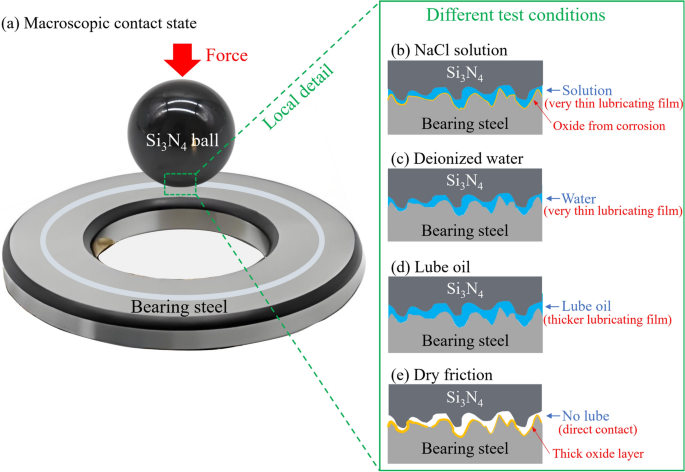
For example, in sandy soil environments in Queensland, Australia, disc harrows equipped with optimized heavy-duty bearings have reportedly operated through two full working seasons without additional lubrication intervals beyond the scheduled maintenance cycle.
Such field experiences highlight how proper bearing design, sealing systems, and lubrication strategies work together to improve operational reliability.
Conclusion
Greasing frequency has a direct impact on the service life of disc harrow bearings. Both insufficient lubrication and excessive greasing can reduce bearing performance and lead to premature failure.
By selecting the right bearing design and maintaining an appropriate lubrication schedule, farmers and equipment manufacturers can significantly improve equipment reliability and reduce long-term maintenance costs.
Next Steps for Engineers and Procurement Teams
Procurement planning stage:
Request a custom lubrication and bearing solution for your agricultural equipment project.
Interested in performance comparison? Apply for a sample bearing and conduct your own field testing.