


Agricultural machinery in South America operates under some of the most demanding conditions worldwide. From Brazil’s tropical rainy seasons to Argentina’s dusty Pampas and Chile’s humid coastal regions, bearings used in tractors, harvesters, planters, and disc harrows are constantly exposed to heat, moisture, abrasive soil, and heavy shock loads.
- High humidity & moisture
- High temperatures
- Abrasive dust & sandy soil
- Continuous shock & impact loads
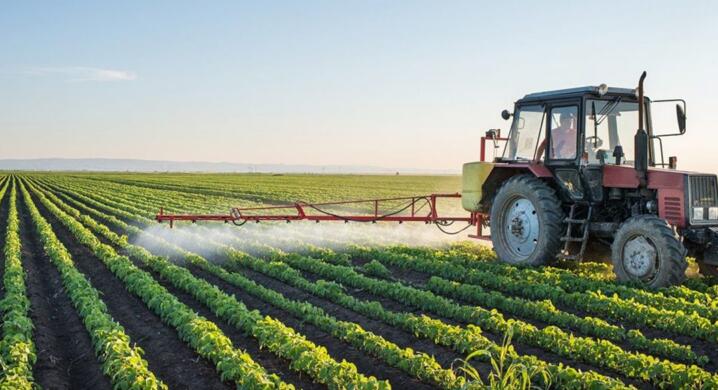
Agricultural machinery
Why Bearing Failure Is a Critical Issue for South American Farms
For farmers and equipment operators, bearing failure is not just a technical inconvenience. It often results in unexpected downtime, missed planting or harvesting windows, and increased maintenance costs during critical agricultural seasons.
Understanding why agricultural bearings fail—and how to prevent those failures—is essential for improving equipment reliability and overall farm productivity.
Why Do Bearings Fail More Often in South America?
Compared with temperate regions, agricultural bearings in South America face several region-specific challenges:
- High humidity & long rainy seasons (Brazil, Colombia) accelerate corrosion
- Fine dust & sandy soils (Argentina, Peru, Chile) increase abrasive wear
- Crop residue from sugarcane, soybean, corn, and coffee can clog seals
- Large-scale farming operations create continuous shock and overload conditions
These factors make agricultural bearings in South America a specialized application where standard industrial bearings often fall short.
The Most Common Bearing Failures in Agricultural Machinery
1. Contamination from Dust, Mud & Crop Residue
In regions like Brazil’s Cerrado or Argentina’s Pampas, soil conditions shift rapidly from fine dust to abrasive mud. Crop fibers—especially from sugarcane and soybeans—can wrap around rotating components, allowing contaminants to penetrate bearing seals.
How to avoid it:
- Use sealed bearings designed for dusty and muddy environments
- Clean bearings after harvesting sugarcane, corn, or coffee
- Consider labyrinth seals for sandy or coastal soils
Pro Tip: For planters and seeders, PTFE-based seals offer better resistance to fertilizers and organic buildup than conventional rubber seals.
2. Lubrication Failure in Hot & Humid Climates
Heat and moisture degrade standard grease quickly, leading to friction, overheating, and early bearing fatigue— especially in tropical and subtropical regions.
How to avoid it:
- Select grease formulated for high-temperature agricultural applications
- Use water-resistant lubricants during rainy seasons
- Shorten relubrication intervals in hot and humid environments
3. Corrosion Caused by Moisture & Fertilizers
Frequent rain, equipment washing, and fertilizer exposure make corrosion one of the leading causes of bearing damage in South American agricultural machinery.
- Choose bearings with corrosion-resistant materials or coatings
- Improve sealing to prevent moisture ingress
- Store machinery under cover during off-seasons
4. Overloading & Shock Loads in Large-Scale Farming
Wide implements and heavy disc harrows subject bearings to continuous impact and shock loads that exceed the limits of standard industrial designs.
- Select bearings designed for high radial and axial loads
- Avoid undersized bearings in soil-engaging equipment
- Inspect housings for deformation caused by repeated impact
5. Misalignment & Improper Installation
Uneven terrain and rushed maintenance during peak seasons increase the risk of misalignment and premature bearing fatigue.
- Verify shaft and housing alignment during installation
- Use proper mounting tools and avoid hammering
- Train maintenance teams on correct installation procedures
6. Incorrect Bearing Selection for Disc Harrows
One of the most costly mistakes is using standard industrial bearings in disc harrows instead of agricultural-specific designs.
Understanding how to choose the right disc harrow bearings for heavy farm equipment is essential. Key factors include:
- Resistance to continuous soil impact
- Advanced sealing against mud and crop fibers
- High load capacity for large-scale operations
- Maintenance-free or sealed-for-life designs
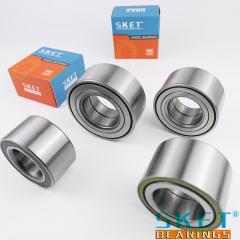
Example: Square bore agricultural disc bearings such as disc harrow bearing are widely used because they provide reliable torque transmission and enhanced sealing in soil-contact applications.
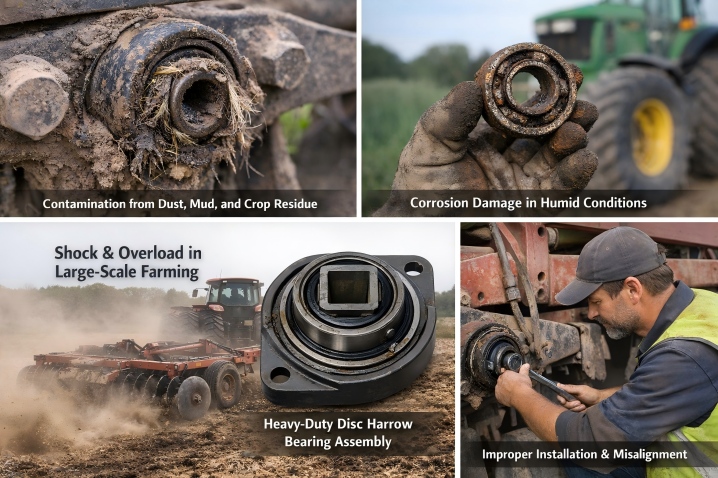
The Most Common Bearing Failures in Agricultural Machinery
How to Choose the Right Bearings for South American Agricultural Machinery
- Application-specific designs for disc harrows, harvesters, and planters
- Suitability for local climate conditions (humidity, heat, dust)
- Proven sealing technologies
- Reliable technical and after-sales support
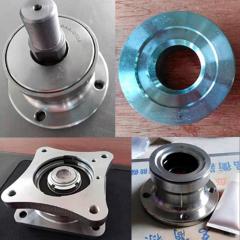
For heavy-duty applications, complete bearing assemblies can reduce downtime. Disc harrow bearing hub assemblies integrate the bearing, housing, and sealing system into a single unit—ideal for large-scale farms.
Preventive Maintenance Checklist for South American Farms
Before Planting Season
- Inspect seals, housings, and mounting surfaces
- Replace worn bearings proactively
During Operation
- Monitor bearing temperature and operating noise
- Clean components exposed to heavy crop residue
After Harvest
- Avoid high-pressure water directly on bearing seals
- Apply protective lubrication before storage
Quick diagnostic tip: If a bearing housing exceeds approximately 70°C or produces sharp squealing noises, it often indicates early contamination or lubrication failure and should be inspected immediately.
Conclusion: Reduce Bearing Failures & Downtime
Bearing failures in South American agricultural machinery are not inevitable. Most failures result from environmental exposure, incorrect bearing selection, or insufficient preventive maintenance.
By choosing bearings designed for regional conditions, farmers can significantly reduce downtime, protect equipment investments, and improve seasonal productivity.
Need the Right Agricultural Bearings for South America?
If you are sourcing disc harrow bearings or customized agricultural bearing solutions, contact SKET Bearings to talk with a supplier who truly understands real field conditions.